

Dental IT Support Providers in Austin, TX
Compare curated dental IT support providers, check certifications, read reviews, and request quotes — all in one place.
No providers match this filter.
Providers with an office in the Austin area, matched by the ZIP code of their published address.
Also in Texas: Lubbock area (3)
Need help choosing? Get matched with top providers in seconds.
0 providers selected
Are you a dental IT support in Austin? Already listed here: RIATA Technologies.
List your businessHow ChairsideIT Works
Browse & Compare
View curated providers, check certifications, and read real client reviews.
Request Quotes
Select up to 5 providers and send your project details. Free, no obligation.
Book Your Dental IT Support
Compare quotes, check availability, and book directly with the provider.
Finding a dental IT support provider in Austin shouldn’t feel like debugging someone else’s network at 2 a.m. — but for most practice owners, that’s exactly what it is: a chaotic scramble through referrals, generic MSPs, and vendors who’ve never touched a Dentrix install. This directory exists so you don’t have to learn the hard way that “we support healthcare clients” and “we know dental IT” are two very different things.
How to Choose a Dental IT Support in Austin
- Verify dental software experience, not just “healthcare IT.” Ask specifically whether they’ve migrated practices between Dentrix, Eaglesoft, Open Dental, or Carestream. A provider who’s done five Eaglesoft-to-Open Dental migrations understands the pain points. One who hasn’t will charge you to learn on your dime.
- Check for HIPAA-specific credentials, not just general security certs. CompTIA Security+ is a floor, not a ceiling. Look for a CHP (Certified HIPAA Professional) or CHIT (CompTIA Healthcare IT Technician) — these signal someone who treats PHI compliance as a first-class concern, not an afterthought bolted onto a standard managed services agreement.
- Ask about their SLA response time for chair-side imaging failures. An intraoral sensor going offline mid-appointment is a clinical emergency, not a Monday-morning ticket. If they can’t tell you their guaranteed response time for imaging system outages, they’ve never actually supported a dental practice under pressure.
- Get clarity on Texas-specific breach notification rules. Texas has its own data breach notification statute (Texas Business & Commerce Code § 521) that stacks on top of HIPAA. A provider who only knows federal requirements will leave you exposed to state-level liability.
- Ask who owns the relationship when you call at 7 p.m. Austin’s tech scene means IT providers here often spread thin across too many verticals. Find out whether dental practices get a dedicated account rep or land in a general support queue behind e-commerce clients.
Pro Tip: Austin practices near the Domain or South Congress corridors often share office buildings with non-healthcare tenants on shared network infrastructure — ask your provider how they handle network segmentation in a multi-tenant environment. This is a real HIPAA exposure most practices don’t think about until it’s too late.
What to Expect
Managed services agreements for dental practices in Austin typically run $500–$2,000/month, with the range driven by practice size, number of operatories, and whether you need 24/7 monitoring or standard business-hours coverage. Most reputable providers bundle annual HIPAA risk assessments into the retainer — if it’s not included, negotiate it in. Onboarding a new practice from contract to fully managed typically takes two to four weeks, depending on whether you’re doing a clean setup or inheriting someone else’s network.
Reality Check: Flat-rate quotes that seem low almost always exclude imaging workstations and server backups — the two most expensive components to support. Get itemized scope before you sign anything, and specifically ask: “Is my Carestream or DEXIS workstation covered under this agreement?”
Local Market Overview
Austin’s dental market has grown sharply alongside the city’s population boom — the metro added over 50,000 residents in 2023 alone — which means both greenfield practice openings and competitive pressure on established offices to modernize. That growth has attracted a wave of DSO (Dental Service Organization) acquisitions, and independent practices increasingly need enterprise-grade IT infrastructure — HIPAA-compliant cloud backups, centralized monitoring, multi-location VPNs — that used to be reserved for group practices with dedicated IT staff. The providers who understand this Austin-specific dynamic, where a two-operatory startup and a six-location group are competing for the same patients, are the ones worth your time.
Frequently Asked Questions
How much does a dental IT support cost in Austin?
Dental IT Support services in Austin typically run $500-2,000/month managed services retainer, depending on scope, complexity, and turnaround requirements. Expedited work and specialized equipment add cost.
What should I look for in a dental IT support?
Look for CHIT — it's the credential that separates qualified dental IT support providers from the rest. Also verify insurance, check reviews, and confirm they can handle your project's specific requirements.
How many dental IT support providers are in Austin?
There are currently 1 dental IT support providers listed in Austin, TX on ChairsideIT.
What does "Sponsored" mean on a listing?
Sponsored providers pay for more prominent placement on pages where they already qualify to appear. Payment does not change a provider's location, credentials or reviews, and it is not an endorsement. All providers on ChairsideIT — sponsored or not — are real businesses.
Dental IT support Resources
The Complete Guide to Dental IT Supports
Generic IT providers cost practices thousands — dental IT support specialists know Dentrix, Eaglesoft, and HIPAA compliance. See what $35–$80/device/month…

Dental IT Support in Houston & Cypress: How to Choose (2026)
Dental IT support in Houston, Cypress and NW Houston: what managed IT should cover for Dentrix or Open Dental offices, pricing, and listed local providers.
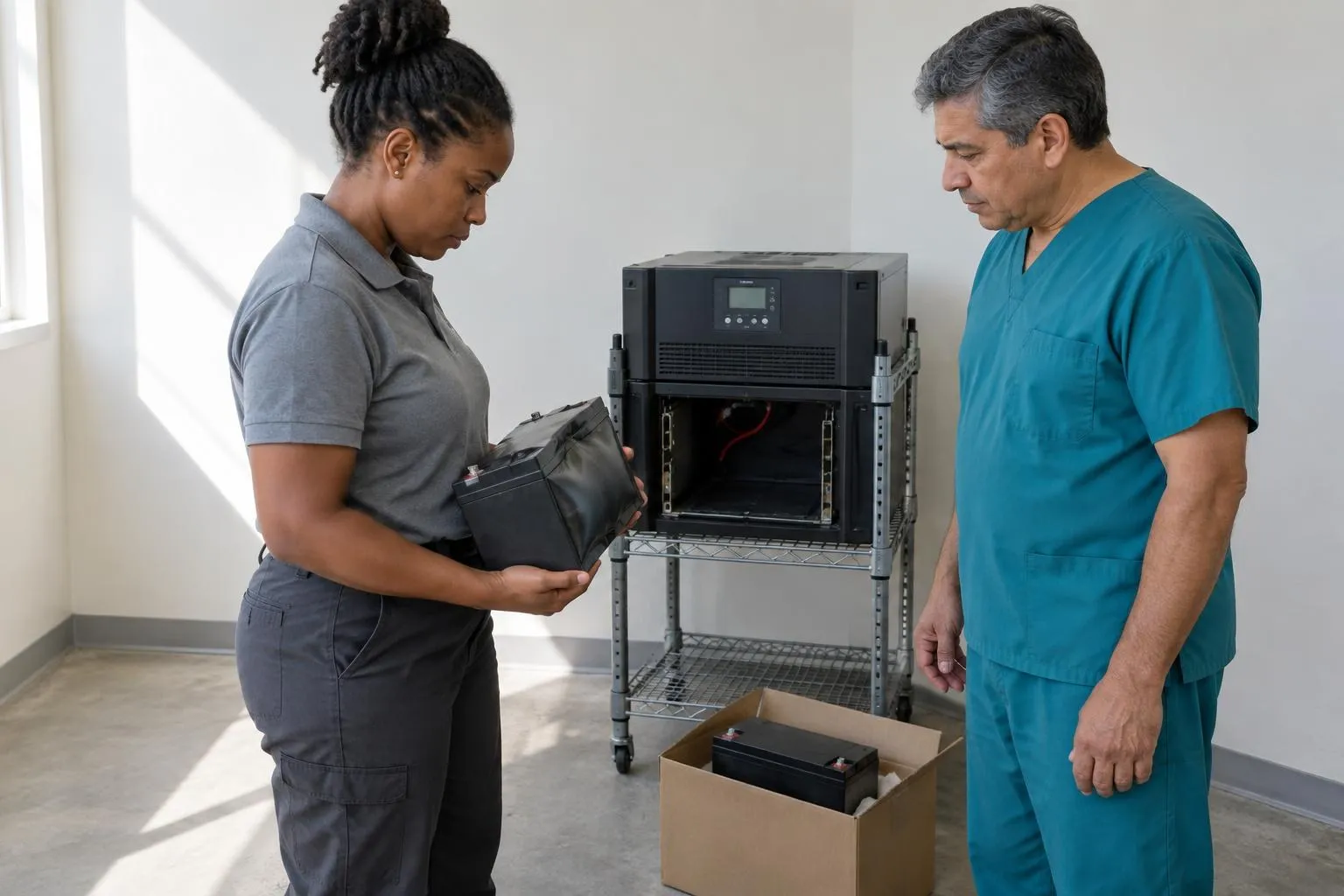
How to Review a Dental IT Support's Work (Quality Checklist)
Most practices can't tell good dental IT support from busywork — vendors count on it. A four-area checklist that shows exactly what to verify.
Looking for more? Browse our full resource library or find dental IT supports in other cities.